Holding polluters accountable for environmental destruction, demanding justice for affected communities, and ensuring corporations cannot escape responsibility by abandoning or transferring their operations.
Newest Polluter:
Jordanian Cement Company – Acquired by Ziad Al Manaseer
Episode 1 Part 1: Investor or Occupier
Episode 1 Part 2: Investor or Occupier
Recent Events
December 2025
Manaseer Group Acquires Lafarge's Shares
June 2026
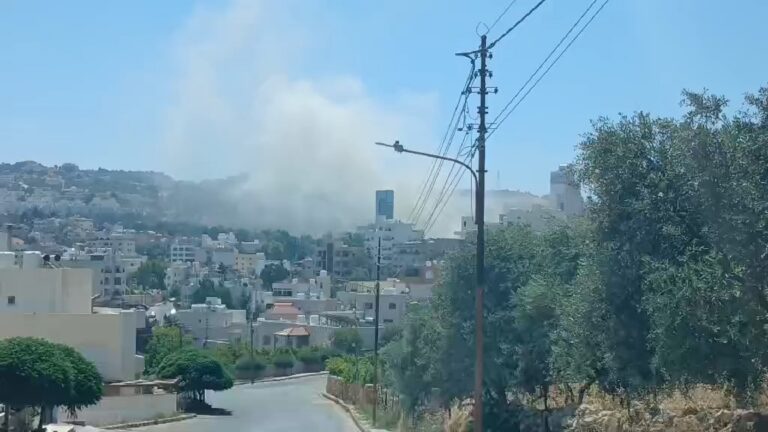
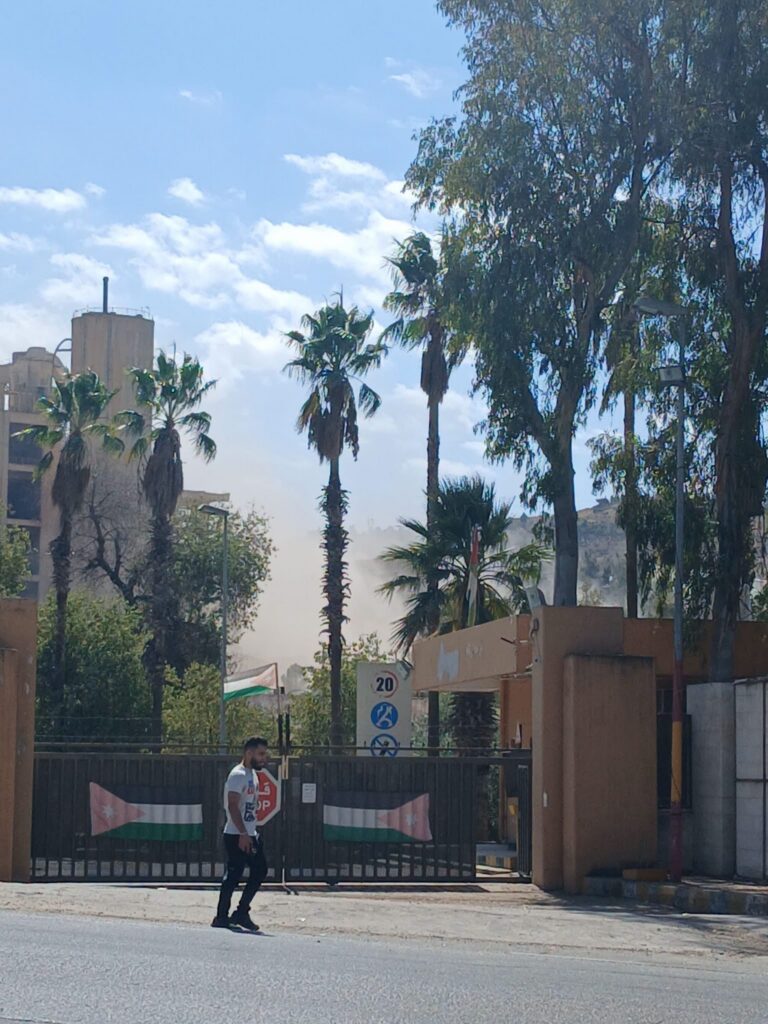
Manaseer Group Begins Controversial Demolition Operations
January 2026
New Soil Tests Reveal Hazardous Contamination Concerns
Fears Grow Over Uncontrolled Demolition and the Spread of Toxic Materials
Over 40 Buildings Reportedly Demolished Amid Environmental Concerns
June 27th, 2026
September 28th, 2026
Where we found potential contamination
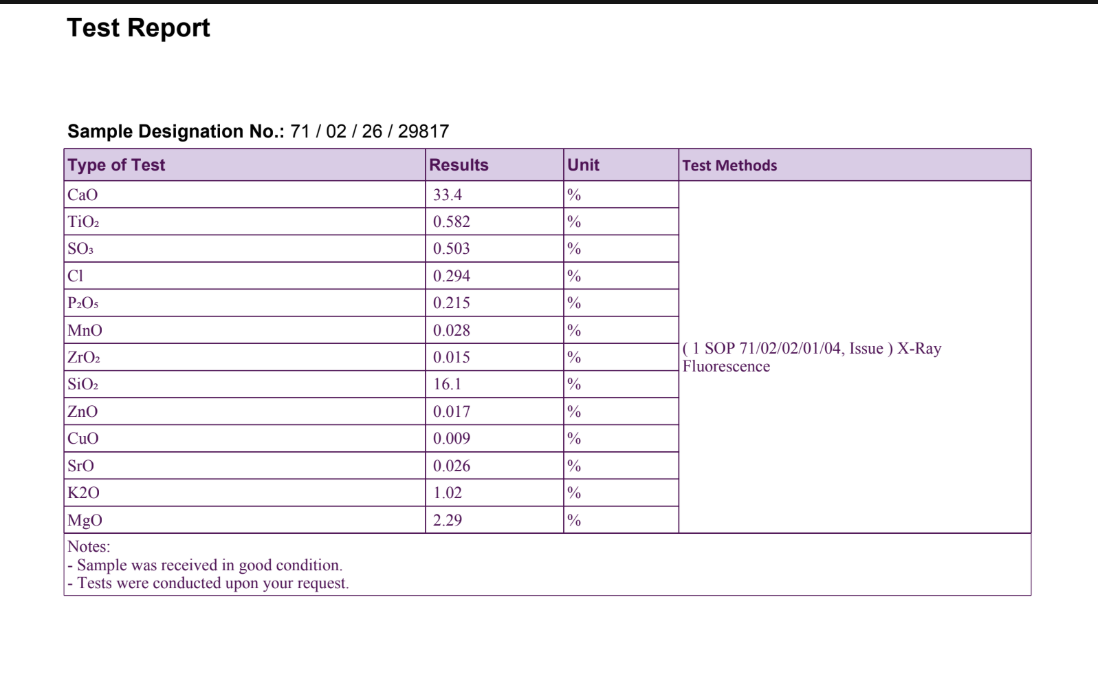
Two samples were tested
Sample 1- Al Dair Area
07/07/2026
Findings:
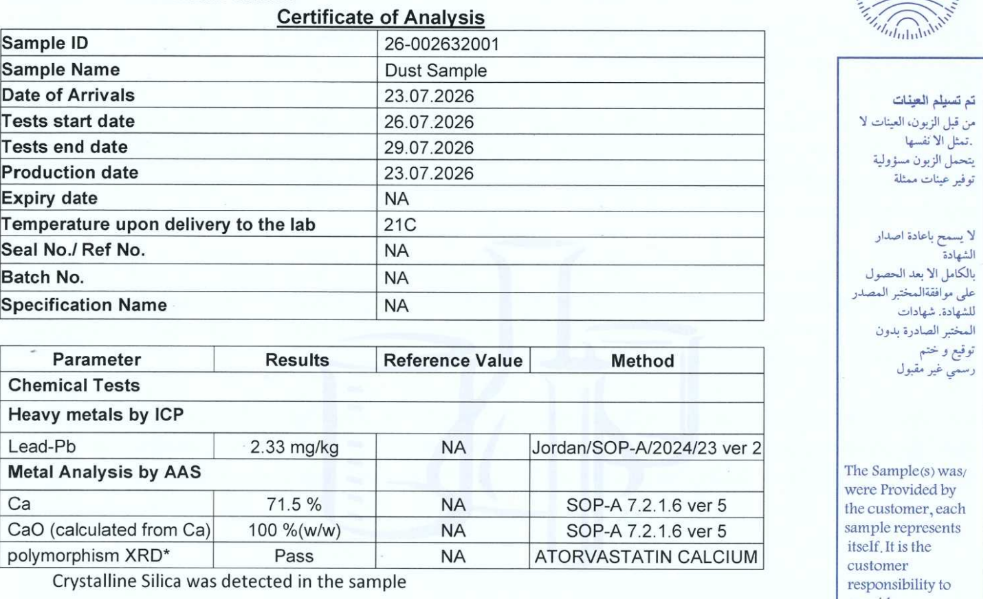
Crystalline Silica – High
Calcium Oxide – High
Sample 2- Baccalaureate School
07/29/2026
Findings:
Crystalline Silica – High
Calcium Oxide – High
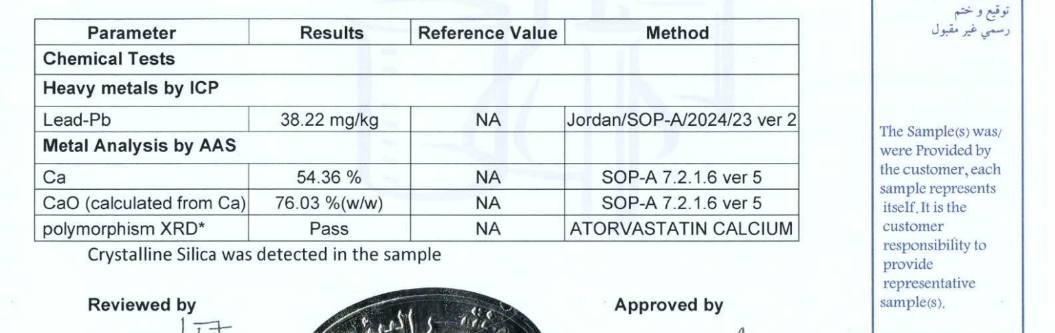
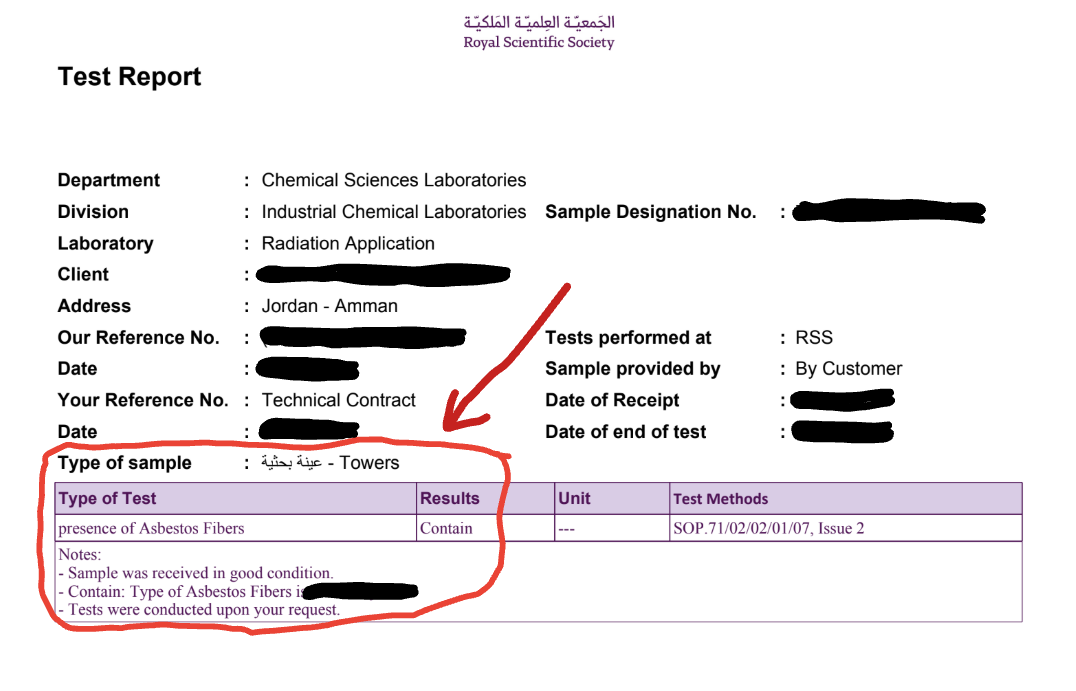
DEMOLITION SAMPLE
A sample was taken from the rubble to link the contamination to the demolition
07/29/2026
Findings:
Crystalline Silica
Calcium Oxide
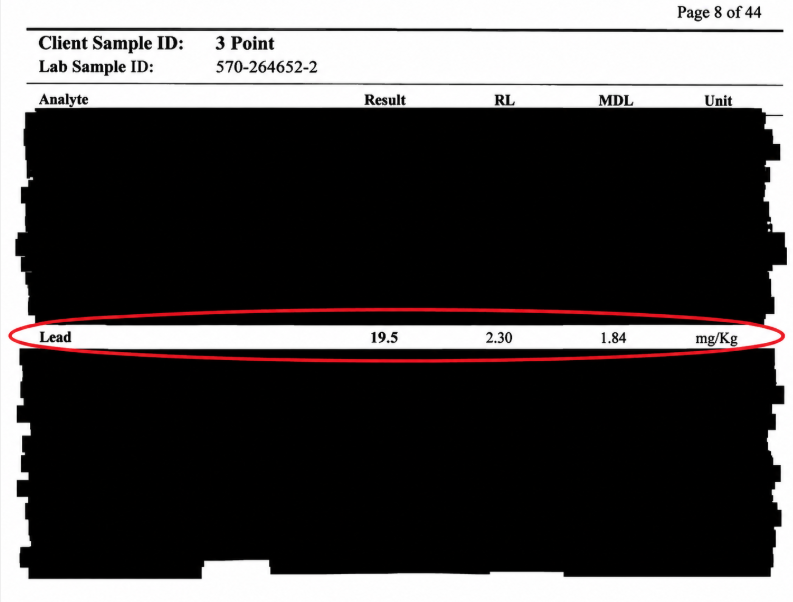
Lead
ASBESTOS
COMPLETE MATCH
The samples from Al Dair and Baccalaureate completely match the samples taken from the demolition site.
Dangerously Contaminated Land:
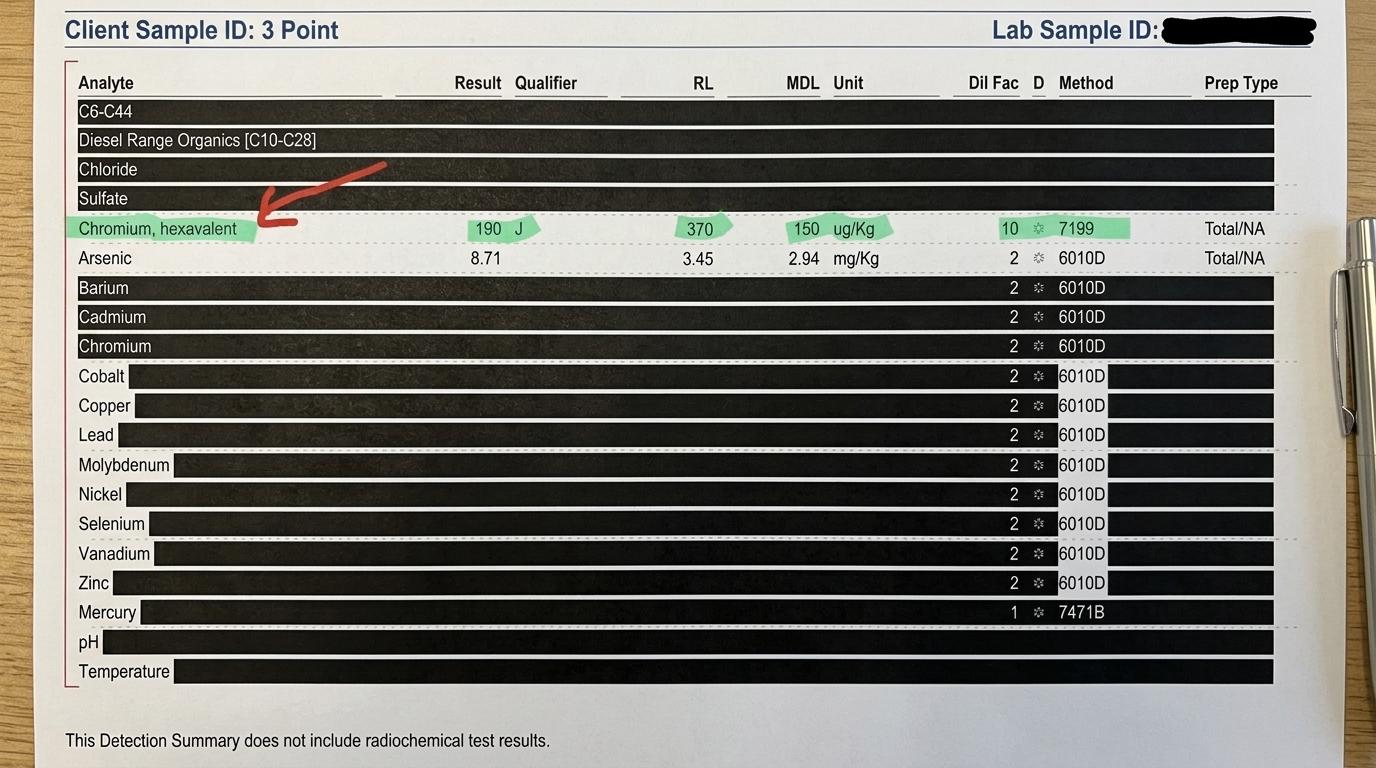
Lafarge left dangerous toxins when they left. Environmental soil testing has identified alarming concentrations of arsenic, lead, hexavalent chromium (Chromium VI), cobalt, and other heavy metals in areas affected by decades of cement production.
Arsenic:
Detected at approximately 79 times California's 0.11 mg/kg cancer-risk screening benchmark, raising serious concerns about long-term exposure.
Lead:
A toxic metal particularly dangerous to children, with potential impacts on brain development, learning, and neurological health.
Hexavalent Chromium (Cr VI):
A recognized human carcinogen that warrants careful investigation of soil contamination and exposure risks.
Cobalt and Other Heavy Metals:
Additional contaminants raising concerns about cumulative exposure and environmental safety.
These findings raise serious questions about whether the affected land is suitable for residential development without comprehensive environmental investigation, risk assessment, and any necessary remediation.
Shield of Fuheis demands full disclosure of contamination findings, independent environmental testing, and scientifically demonstrated safety before any residential redevelopment proceeds.